How benefits spread
Strong evidenceOne new home can open many doors.
The first resident leaves another home behind. The next resident often does too. Those moving chains carry vacancies into older homes, cheaper homes, and more neighborhoods.
Figures from the papers
Inspect the published evidence directly
Figure 2 · Rent event studies
Both comparison strategies turn negative after treatment; the vertical bars show uncertainty.
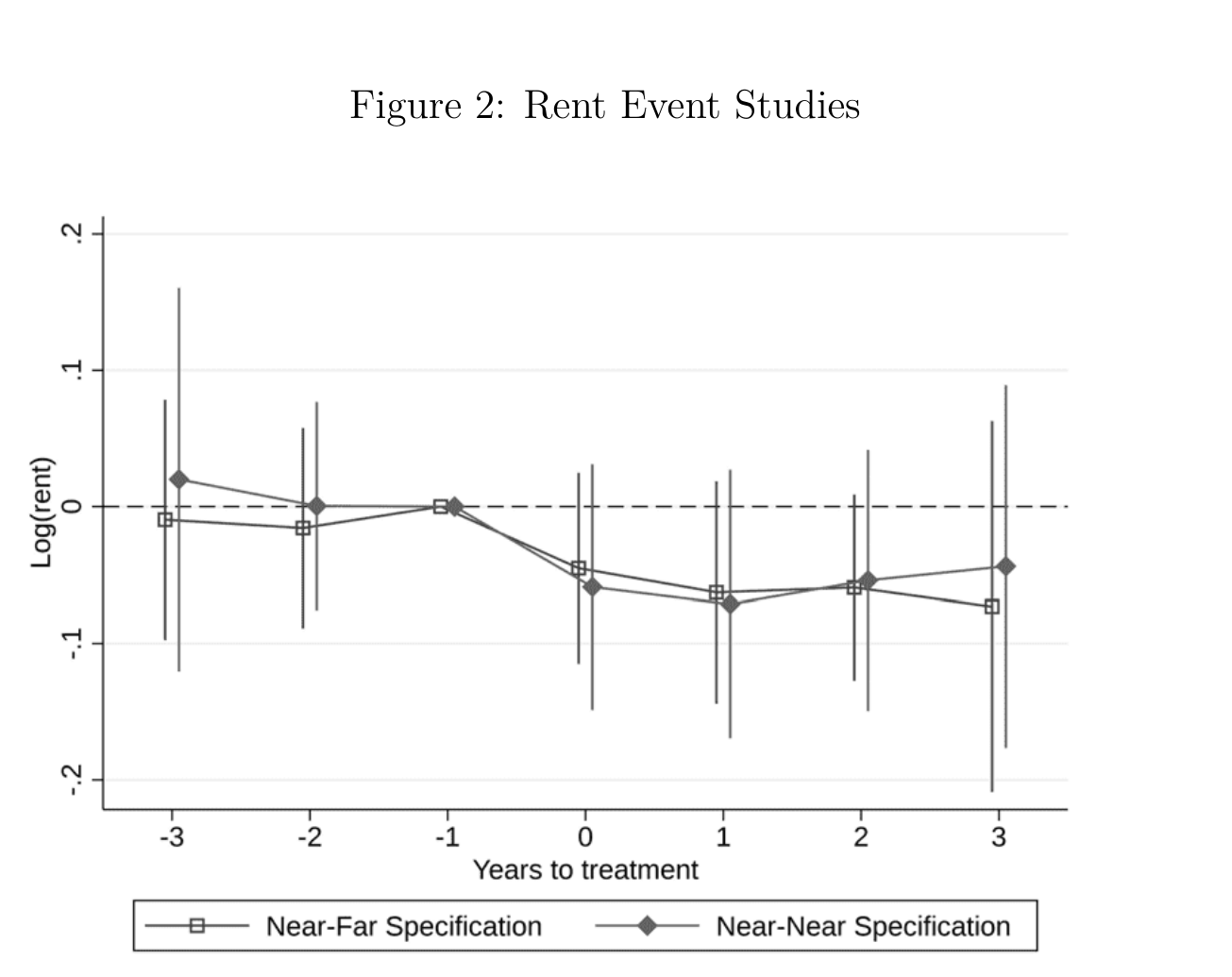
Figure 3 · Impact of new housing supply on the distribution of rents
Every rent-quality decile has a negative estimate; the vertical bars show 95% confidence intervals.
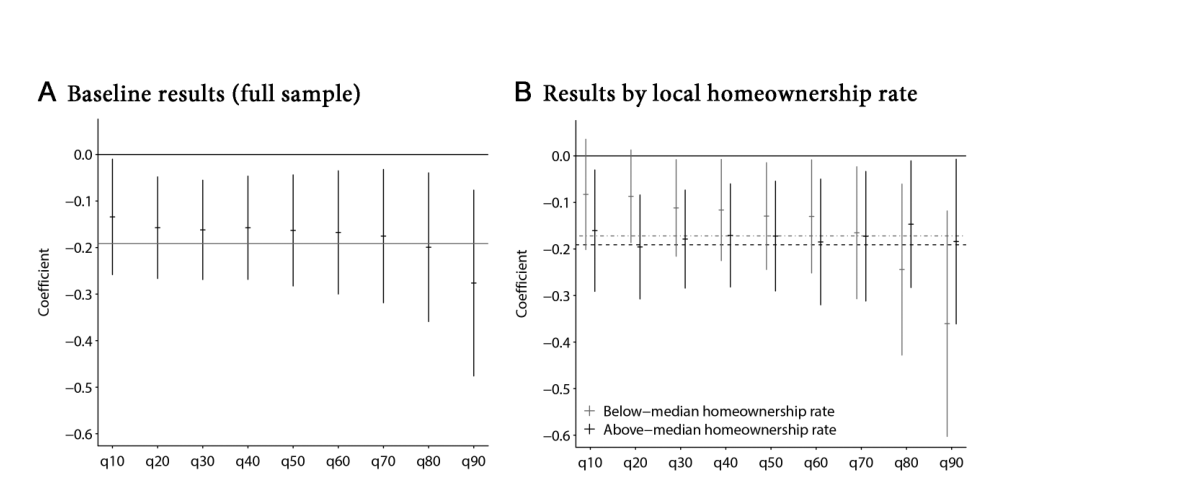
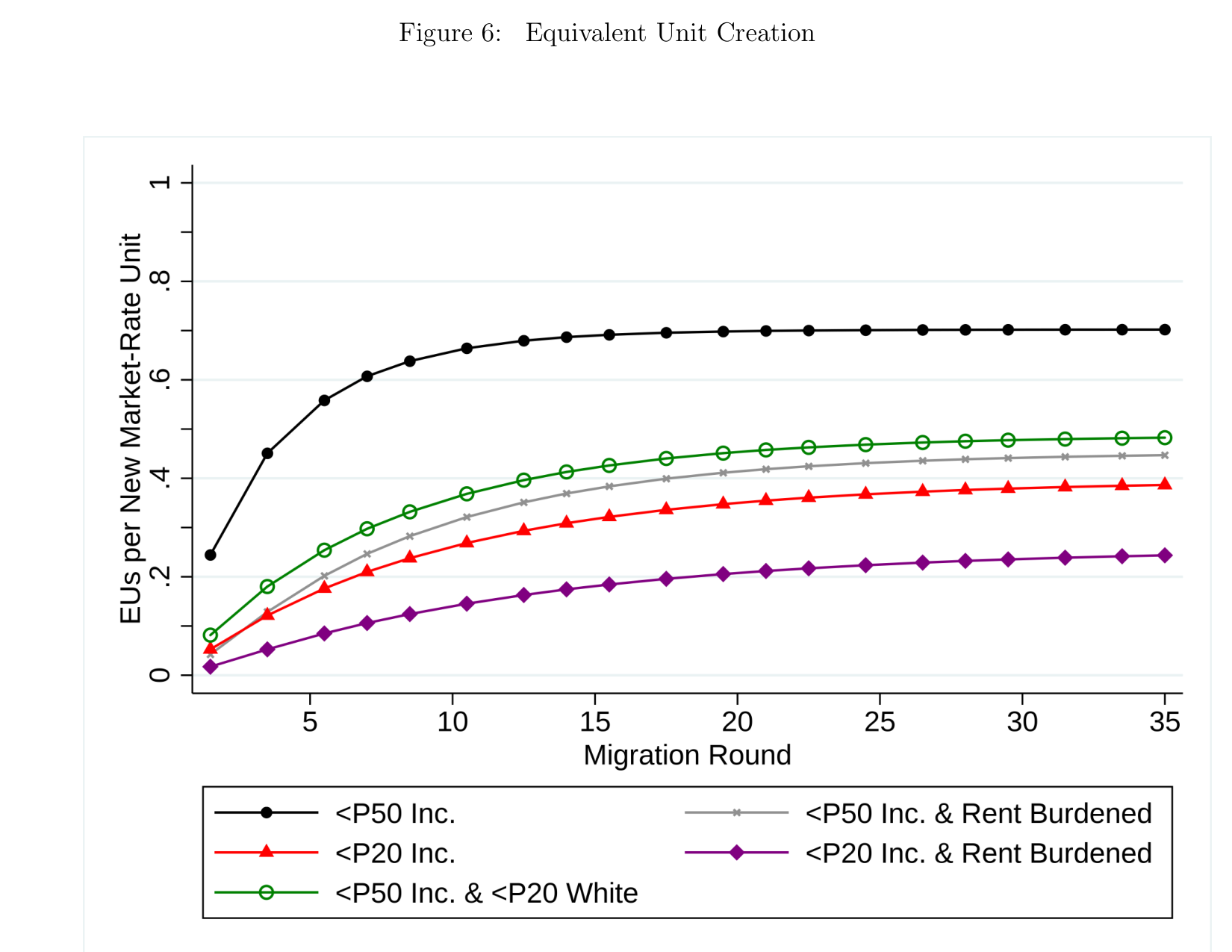
Figure 6 · Equivalent unit creation
As moves propagate, the model reaches more below-median-income and rent-burdened neighborhoods.
Evidence stack
Studies behind this conclusion
The Effect of New Market-Rate Housing Construction on the Low-Income Housing Market
Moves into new market-rate buildings open older homes throughout the market, and those chains reach lower-income neighborhoods within a few years.
100 new homes led 45–70 people to leave below-median-income tracts within five years
Keep in mind: The chain endpoint is modeled and counts people rather than housing units.
Study details →The Impact of New Housing Supply on the Distribution of Rents
New supply reduced rents across the quality distribution and expanded the availability of second-hand homes, including in high-demand markets.
A 1% increase in annual new supply lowered average rents by 0.19%
Keep in mind: The setting is Germany and the outcome is posted rather than contract rent.
Study details →Local Effects of Large New Apartment Buildings in Low-Income Areas
Large market-rate buildings lowered nearby listed rents in low-income neighborhoods and drew movers from other low-income areas.
Nearby listed rents fell 5–7% relative to trend
Keep in mind: The main sample contains 96 buildings, and Zillow underrepresents cheaper rentals.
Study details →From evidence to policy