The central finding
Strong evidenceMore homes give renters more leverage.
Across citywide reforms and individual projects, more housing means lower rents than continued scarcity. Sometimes rents fall. In fast-growing places, they may simply rise less.
Figures from the papers
Inspect the published evidence directly
Figure 3 · Synthetic and actual rental price indexes
The actual and synthetic rent indexes track closely before 2016 and separate after the reform.
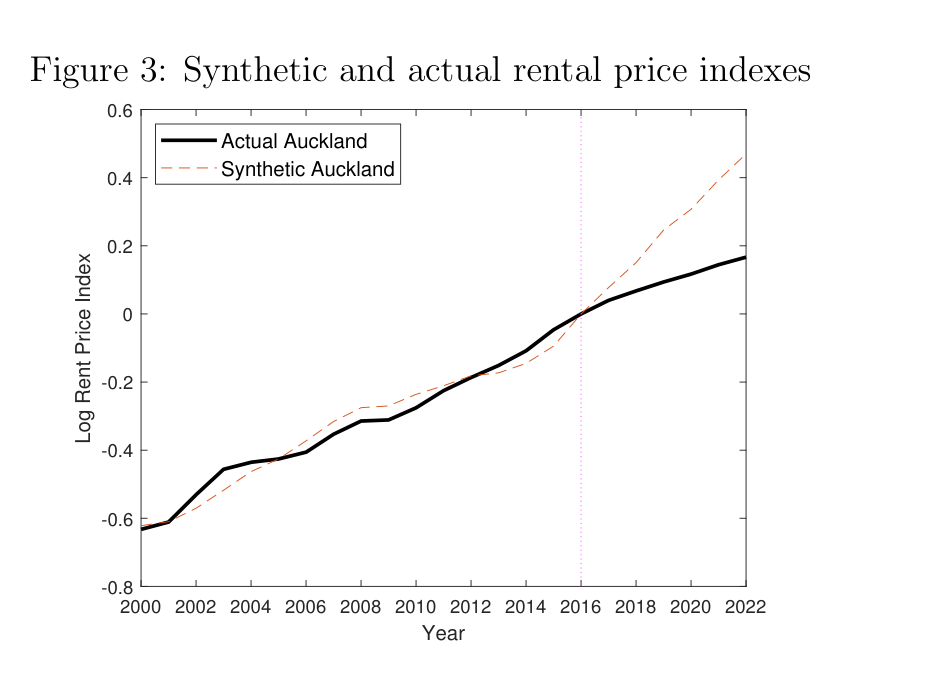
Figure 2 · Rent event studies
Both comparison strategies turn negative after treatment; the vertical bars show uncertainty.
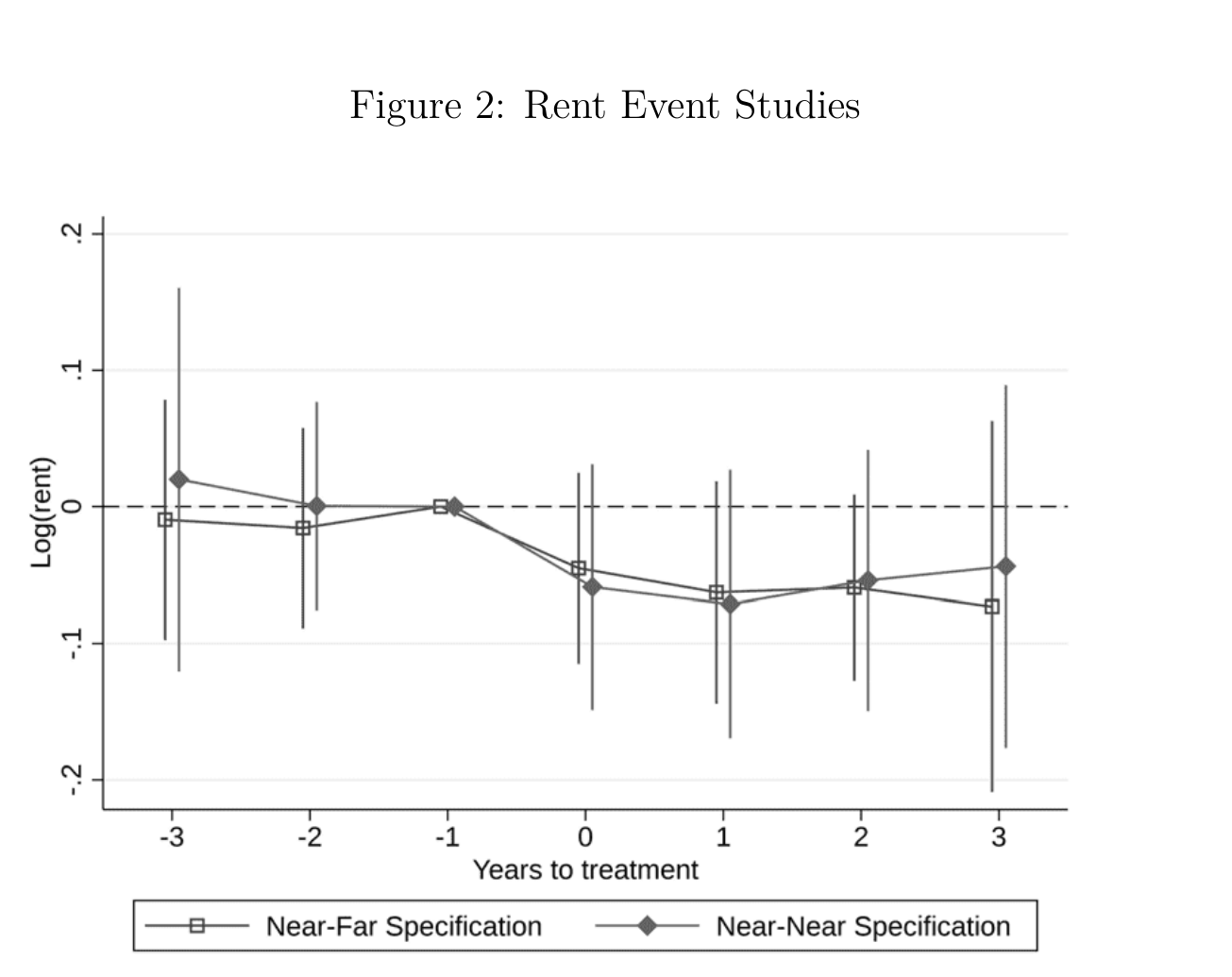
Figure 3 · Rents before and after the completion year
The completion event study shows little pre-trend and a growing negative rent effect afterward.
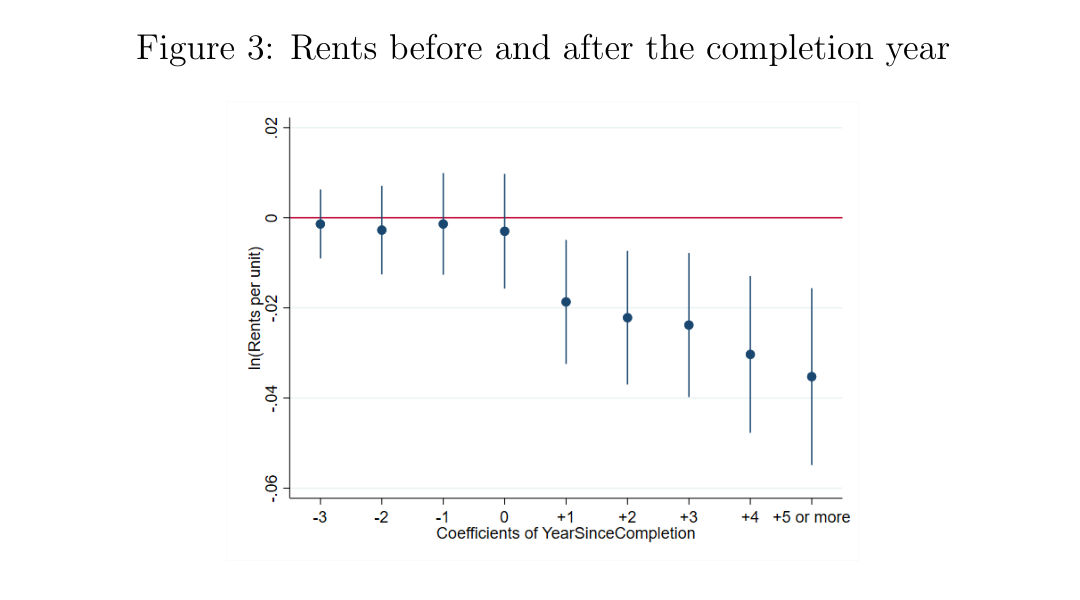
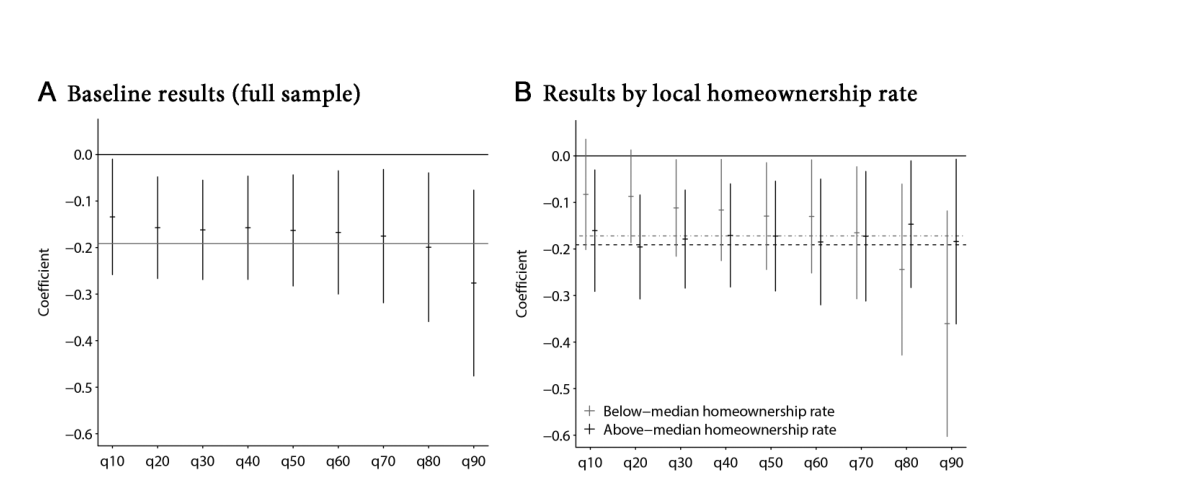
Figure 3 · Impact of new housing supply on the distribution of rents
Every rent-quality decile has a negative estimate; the vertical bars show 95% confidence intervals.
Evidence stack
Studies behind this conclusion
Can Zoning Reform Reduce Housing Costs? Evidence from Auckland
After Auckland's construction boom, quality-adjusted rents were substantially below the estimated path without reform.
Preferred estimate: the no-reform rent path was about 28% higher after six years
Keep in mind: This is one treated city, and the magnitude varies across specifications.
Study details →Do New Housing Units in Your Backyard Raise Your Rents?
Completed high-rises lowered nearby rents and sale prices even while attracting restaurants, suggesting the local supply effect outweighed the amenity effect.
A 10% local stock increase lowered nearby rents by about 1%
Keep in mind: The rent data omit many small buildings, and the result is hyperlocal.
Study details →Local Effects of Large New Apartment Buildings in Low-Income Areas
Large market-rate buildings lowered nearby listed rents in low-income neighborhoods and drew movers from other low-income areas.
Nearby listed rents fell 5–7% relative to trend
Keep in mind: The main sample contains 96 buildings, and Zillow underrepresents cheaper rentals.
Study details →The Impact of New Housing Supply on the Distribution of Rents
New supply reduced rents across the quality distribution and expanded the availability of second-hand homes, including in high-demand markets.
A 1% increase in annual new supply lowered average rents by 0.19%
Keep in mind: The setting is Germany and the outcome is posted rather than contract rent.
Study details →From evidence to policy